Rural Deprivation
Britain’s invisible deprivation problem, hiding in plain sight.
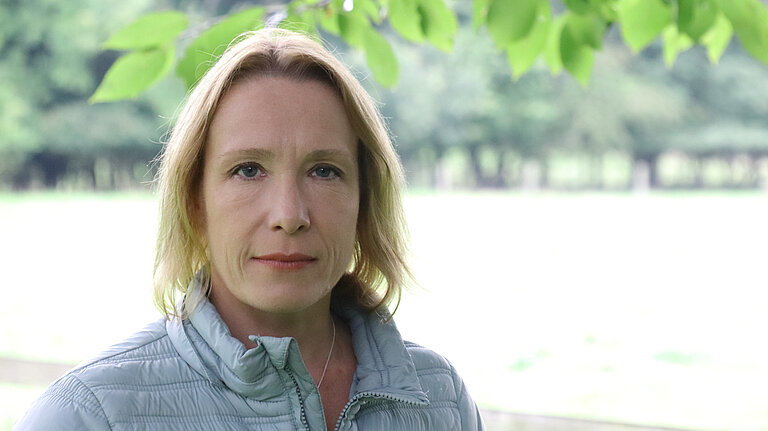
An article by Helen Morgan, first published on the Parliament Politics Magazine on 10th September 2026.
"When asked to picture deprivation, we often see areas of urban decay, high-density housing and communities facing long-standing economic challenges.
Of course, those problems are real and deserve attention, but they have also created a blind spot in public policy – the assumption that rural areas are somehow insulated from deprivation.
Yet across North Shropshire and rural Britain, it’s an inaccurate assumption. Rural deprivation is hiding behind our picture postcard views, attractive market towns and rolling countryside. And for the people in these areas, the real-world consequences can be just as severe. In many cases, they are intensified by geography, weak transport links and public services stretched across vast areas.
On my return to Parliament after the summer recess, I secured a Westminster Hall Debate Government Support for Rural Upper Tier Local Authorities, because I feel it’s time to throw the spotlight on the growing gap between the needs of rural communities and the resources they receive. If we are to see the Prime Minister’s wish of Growth in every postcode play out, we need to radically rethink how we fund rural areas.
Research shows that urban councils are expected to receive 32 per cent more funding per head next year than rural councils, despite the higher costs associated with delivering services across large and sparsely populated areas. Rural residents are effectively being asked to pay more while receiving less and the imbalance is felt particularly keenly in Shropshire, where our council is grappling with immense financial pressures after years of financial mismanagement under the previous administration.
Around 80 per cent of its budget is now consumed by adult and children’s social care, while demand for special educational needs and disabilities support continues to rise rapidly. At the same time, North Shropshire has an ageing population, with one in four residents aged over 65, increasing demand for care services year after year.
Rural authorities across England face similar challenges. But the removal last year of the Rural Services Delivery Grant, which specifically provided additional funding for rural councils, means that sparsity continues to be treated as a secondary consideration, despite the obvious higher costs of providing transport, education, social care and other essential services across large geographic areas.
The result is a vicious cycle. Councils struggle to maintain local services. Residents become increasingly reliant on private transport. Opportunities become concentrated in larger towns and cities. And those already facing disadvantage find themselves further isolated.
Transport provides a clear example.
Shropshire has experienced the largest loss of bus mileage in England, a statistic that carries major consequences. In rural Britain, access to a car is often a necessity. When bus routes disappear, so too do routes to employment, training, healthcare and social connections.
The impact falls hardest on those least able to absorb it. The young, the old and families on lower incomes. A teenager unable to reach college, an elderly resident cut off from friends and services, or a family forced to spend a disproportionate share of their income on transport are all symptoms of the same underlying policy failure.
Education tells a similar story.
Schools in North Shropshire received an average of £6,460 per head last year, compared with a national average of around £7,910. However, outcomes at GCSE and Key Stage 4 are consistently lower than the national average. Research by the Education Policy Institute has revealed that disadvantaged pupils in North Shropshire are an average of 23 months behind their non-disadvantaged peers, 4 months higher than the national average.
How can the Government justify lower funding where the outcomes are already lower? Surely every child deserves the opportunities provided by a properly funded education? Educational disadvantage exists beyond our cities, and funding systems must reflect that reality.
Rural communities are not asking for special treatment. Time and again, residents tell me they simply want fairness. They want transport systems that allow people to access opportunities. And they want young people to enjoy the same chances in life regardless of whether they grow up in North Shropshire, Manchester or London.
The Government talks frequently now about growth and opportunity across every region and those ambitions are welcome. But they will remain out of reach unless ministers confront a reality that rural communities have understood for years.
Britain’s deprivation problem exists in villages, market towns and farming communities too. Until our funding systems recognise that fact, rural areas such as North Shropshire will continue to be sorely short-changed."
Helen Morgan MP
You can find the original article published by Parliament Politics Magazine here